
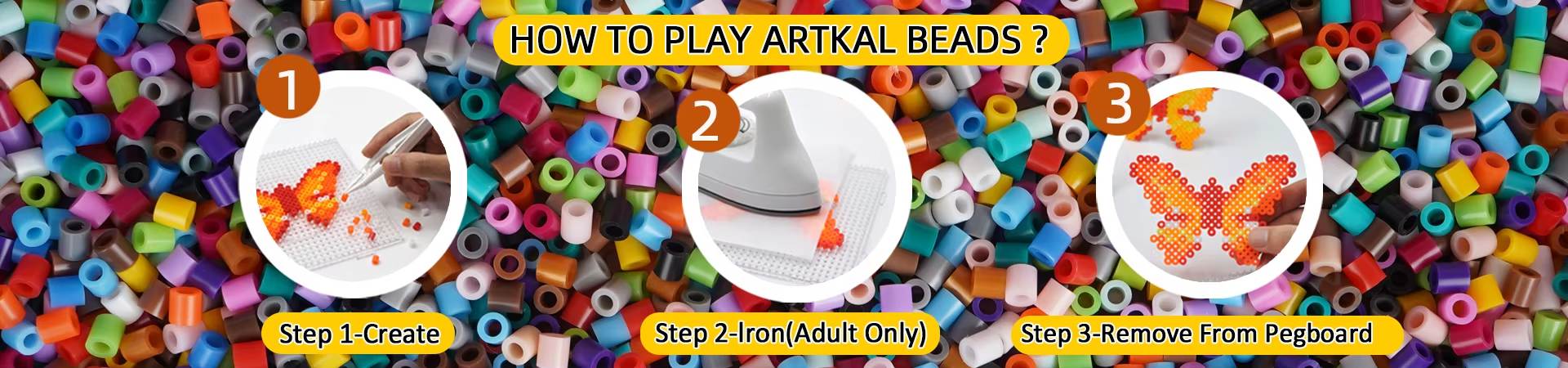
If you walk into any early education classroom or children’s craft workshop today, there’s a good chance you’ll see kids sitting around small colorful beads, carefully placing them one by one into patterns. These are fuse beads — simple, quiet, but surprisingly powerful in how they support learning.
What makes them interesting is that they haven’t changed much in years, yet their popularity in educational toy markets keeps growing. For suppliers like Ukenn, and for any serious fuse beads manufacturer, this category has become a steady and reliable product line instead of just a seasonal craft item.
So why exactly are fuse beads still so widely used in education?
It feels like play, but it teaches real skills
The first reason is actually very simple: kids don’t feel like they are “learning” when using fuse beads.
They are designing patterns, choosing colors, building shapes — but behind that, a lot of quiet learning is happening. Teachers often notice improvements in attention span, patience, and coordination after regular craft sessions. Unlike digital toys, fuse beads require slow, physical interaction. You can’t rush it. Every bead matters. That small delay between thinking and placing the bead is exactly where the learning happens. This is why many educators still prefer them even when so many modern learning tools exist.
Schools like them because they are predictable and safe
From an education perspective, not all toys are easy to manage in a classroom setting. Fuse beads, however, are very controlled.
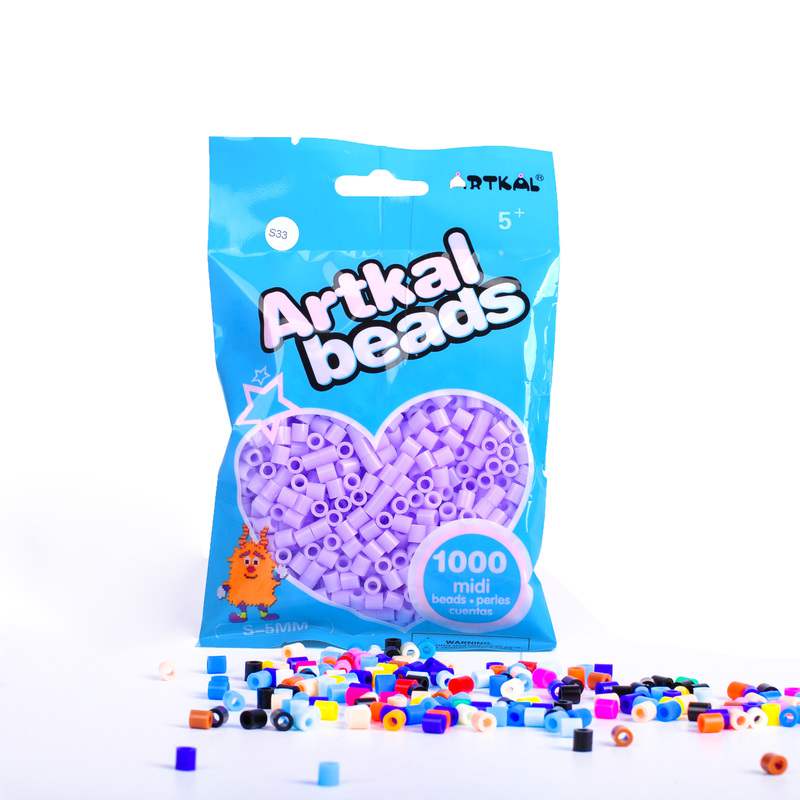
When schools order artkal fuse beads or similar standardized sets, they expect consistency — same size, same melting behavior, same color output. If even a small variation exists, classroom activities can become frustrating quickly.
That’s why quality control from a fuse beads manufacturer actually matters more than most people think. In education, predictability is not a luxury — it’s a requirement. Teachers don’t want surprises. They want a material that works the same way every time.
The wholesale market quietly drives the demand
Behind the scenes, a big reason fuse beads remain popular is not just education — it’s distribution.
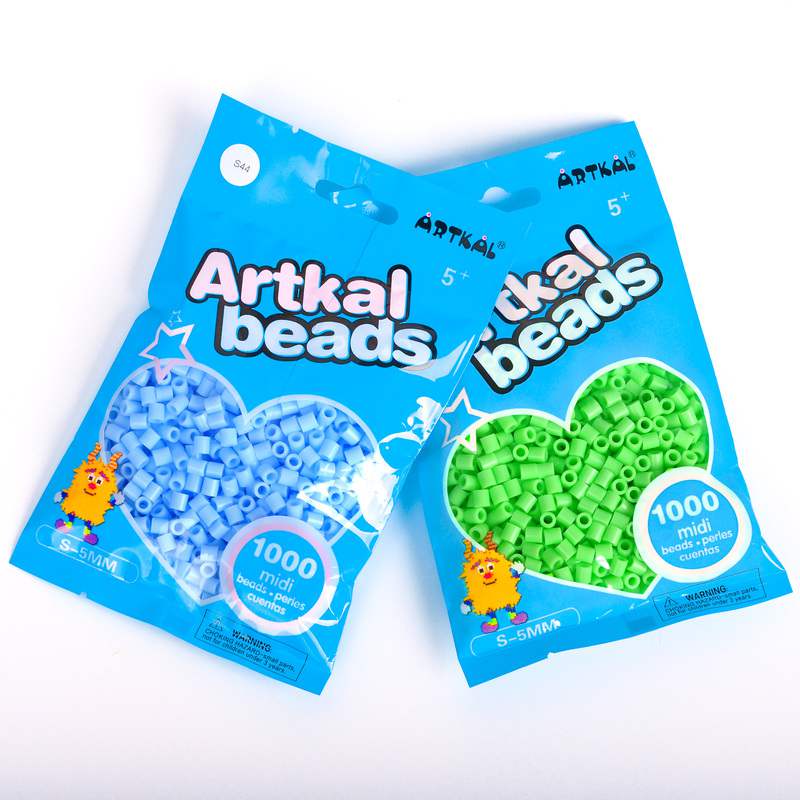
A large portion of global demand comes from perler beads wholesale channels. These products are often purchased in bulk by:
- School districts
- Educational suppliers
- Toy retailers
- Online sellers (Amazon, Shopify stores)
What makes fuse beads attractive for wholesale buyers is their simplicity. They are lightweight, easy to package, and don’t require complex logistics. At the same time, they are consumable — once kids start using them, they usually need more. This creates a stable reorder cycle, which is exactly what distributors look for.
They work across different age groups and learning styles
Another reason fuse beads stay relevant is flexibility.
Younger children use them for basic color recognition and motor skill development. Older kids start creating more complex pixel-style designs, sometimes even replicating game characters or logos.
This adaptability makes them different from many educational toys that only fit a narrow age range.
Even in mixed classrooms, teachers can use the same fuse bead kits but adjust difficulty levels simply by changing templates.
Manufacturing quality quietly shapes user experience
Most people don’t think about how much manufacturing affects something as simple as a bead. But in practice, it makes a huge difference.
A reliable fuse beads manufacturer has to control things like:
- Bead size precision
- Heat response during ironing
- Color stability across batches
- Material safety standards
If any of these are off, the final artwork won’t fuse properly or may look inconsistent.
This is especially important for brands like Ukenn, where consistency matters across large educational orders rather than individual kits.

Why this category keeps growing instead of fading
A lot of toy trends come and go quickly, but fuse beads have stayed relevant for years. The reason is not marketing — it’s usage behavior.
They sit in a very rare position between:
- Craft activity
- Educational tool
- Creative hobby
That combination is hard to replace. Digital tools can teach logic, but they don’t replace the hands-on satisfaction of building something physically.
And in early education, that physical experience still matters more than most people assume.
Final thought
Fuse beads don’t look advanced, and they don’t try to be. But that’s exactly why they work so well in educational environments.
They are simple enough for children to start immediately, flexible enough for teachers to adapt, and stable enough for manufacturers and wholesale suppliers to scale globally.
For companies like Ukenn, and for any serious fuse beads manufacturer, the opportunity isn’t in reinventing the product — it’s in keeping it consistent, safe, and easy to use across different markets. Sometimes the most effective educational tools are not the most complex ones — they are the ones that quietly let children focus, create, and learn at their own pace.